

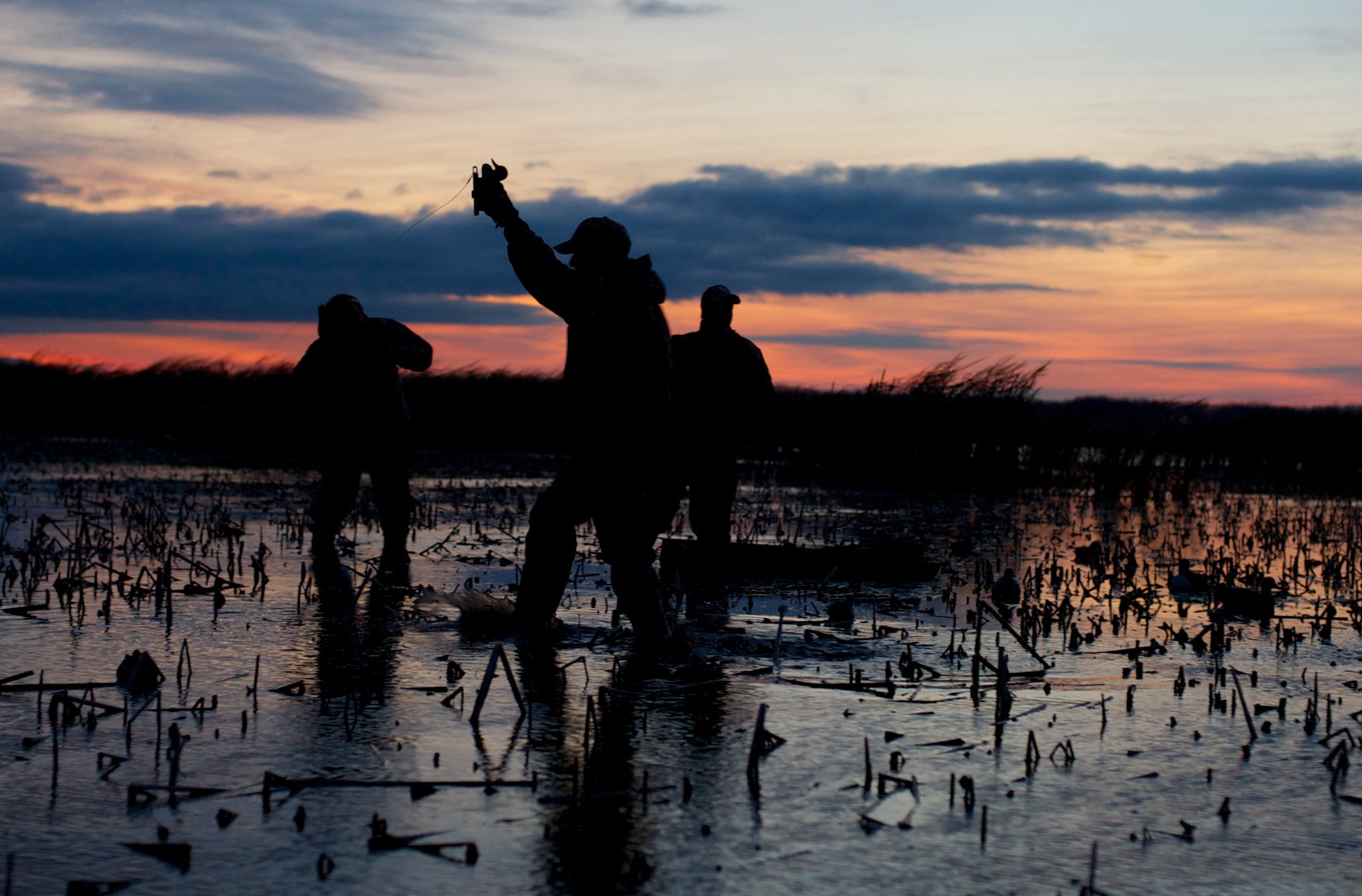
The Big Three: Manitoba’s Top Three Waterfowling Destinations
Manitoba is home to some of the best waterfowl hunting in North America with many outstanding hunting opportunities available to duck and goose hunters. The good places to hunt waterfowl in Manitoba are far too numerous to mention in one short article but here are my top three personal favorites with a few honorable mentions.
A Marsh Fit for a King – the Delta Marsh
Royalty and movie stars flocked to the famous Delta Marsh in the 1940s and 50s in pursuit of the King of Ducks, the Canvasback. Delta Marsh is where you go for diving ducks: Canvasbacks, Bluebills, Ring-necks, Redheads, Buffleheads and Goldeneyes. Cans and Bluebills are the most prized quarry, probably because they are numerous and so good to eat. Bluebill is the common name for the Lesser Scaup, but there’s nothing lesser about them in the oven. Delta Marsh Bluebills have white fat which tastes incredible when slow roasted on low heat, well-seasoned and with a braising liquid like a can of beer.
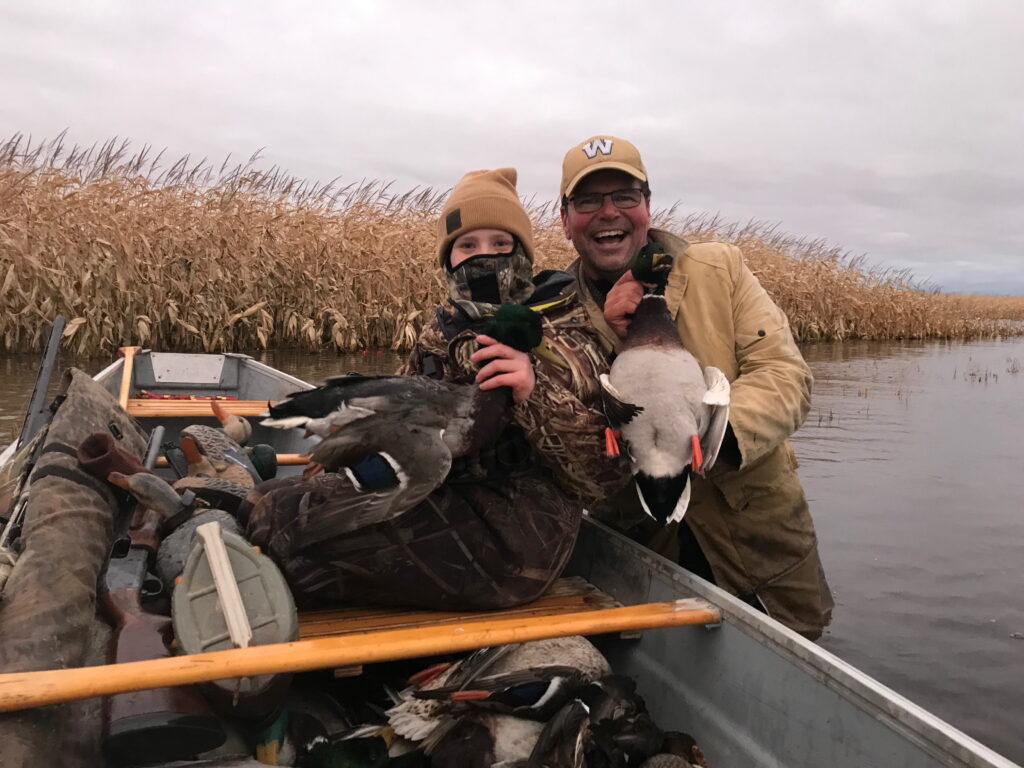
If you hunt the first two weeks of October, you can catch the end of the Canvasback migration, and the start of the Bluebill flight. A few years ago I had one of the best hunts of my life in early October.
The wind was howling from the north, and my buddies and I were hunkered down on a point, with the cattails whipping the back of our necks. It was a dark, drizzling, stormy day, the kind of day duck hunting dreams are made of. At first light, flights of Bluebills came pouring over the Lake Manitoba treeline, into the marsh. They’d make a big turn over the bay and come screaming into the decoys. Soon several beautiful drake Bluebills were bobbing in our decoy spread and I looked up to see a huge flock of Cans fly right over us. “Canvasbacks!” was said by all of us as they turned out over the bay. The snowy, white drakes were visible in the flock as they turned and came straight at us. Everyone was excited and I hissed down the line, “pick one, don’t flock shoot”! I managed to knock down two huge drakes. I’ll never forget it.
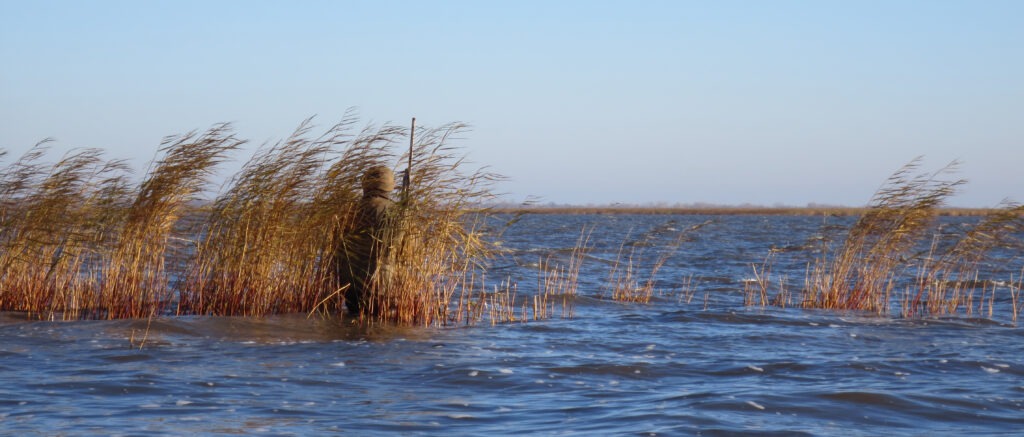
Of course you can bag all the dabbling duck species at Delta too, but if you haven’t hunted big water divers at Delta, you haven’t lived as a waterfowler. Delta has its own duck carving traditions and points in the marsh have been named by famous old Manitoba hunters, many of them Metis hunting guides from the St.Ambroise area. There is higher volume duck hunting elsewhere in Manitoba, but the Delta Marsh has such a rich tradition, you should give it a try.
Honorable Mention Big Marsh Destination – Netley Marsh
Netley is the other famous big marsh experience you need to check off if you are a serious Manitoba waterfowl hunter. Delta had many famous shooting shack shanty towns around the periphery and so did Netley. Duck hunting cabins are still maintained on both marshes to this day. You haven’t lived till you’ve experienced getting stranded on Netley’s mud flats when the incoming wind switches to an outgoing wind tide! My legs hurt just thinking about it. But the shooting was, and still can be outstanding if you hit a migration day.
Pot (hole) of Green Gold – South western Manitoba Pothole Country Mallards
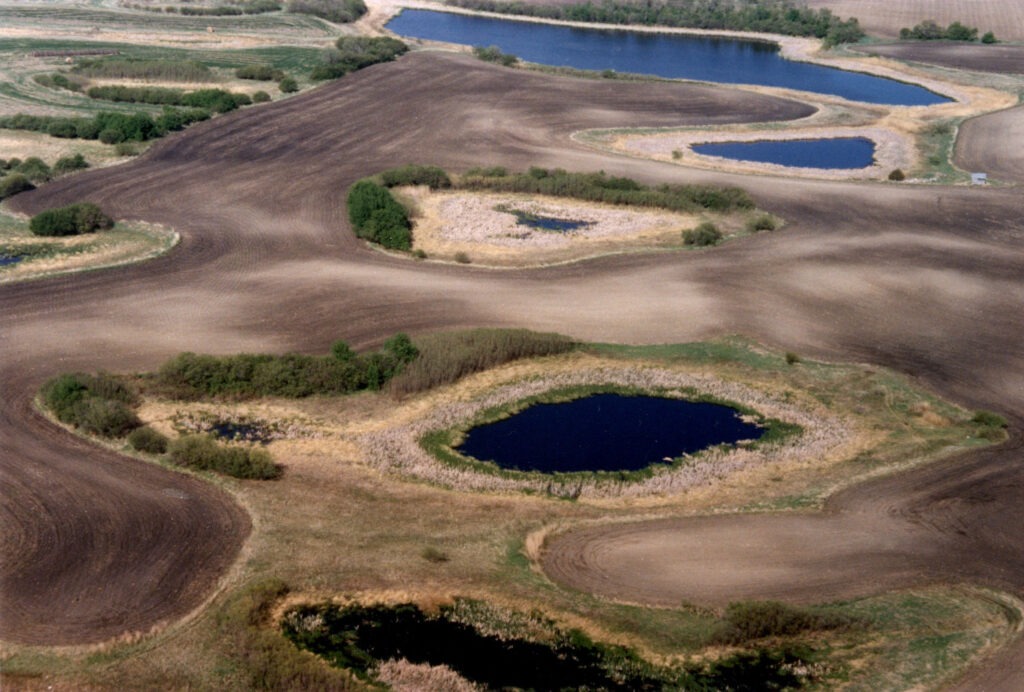
“Do you think they’ll come soon?”, whispered my shivering son Ben. We were hiding along the edge of a tiny prairie slough in the pothole country southwest of Brandon. I had scouted the previous day and found a huge number of mallards using a tiny slough. When I glassed the pothole the day prior, it was a sea of green, you couldn’t fit another mallard on the water. The ducks were roosting on a large lake nearby and came to our slough at first light and then would hop out into a nearby harvested barley field to feed. Thanks to a friendly landowner, my friend Jonathan, and my son and I were lucky enough to have it to ourselves on that late October day.
Just after legal shooting time arrived, the first flock appeared on the horizon. Sure enough, they set their wings and came right for us. Jonathan and I let my young son shoot first and much to our surprise, he knocked down three big, fat greenheads! Suddenly Ben forgot he was cold as his shotgun barrel got heated up. What followed was one of those memorable late Fall hunts for grain-fed, greenhead mallards that every duck hunter should experience.
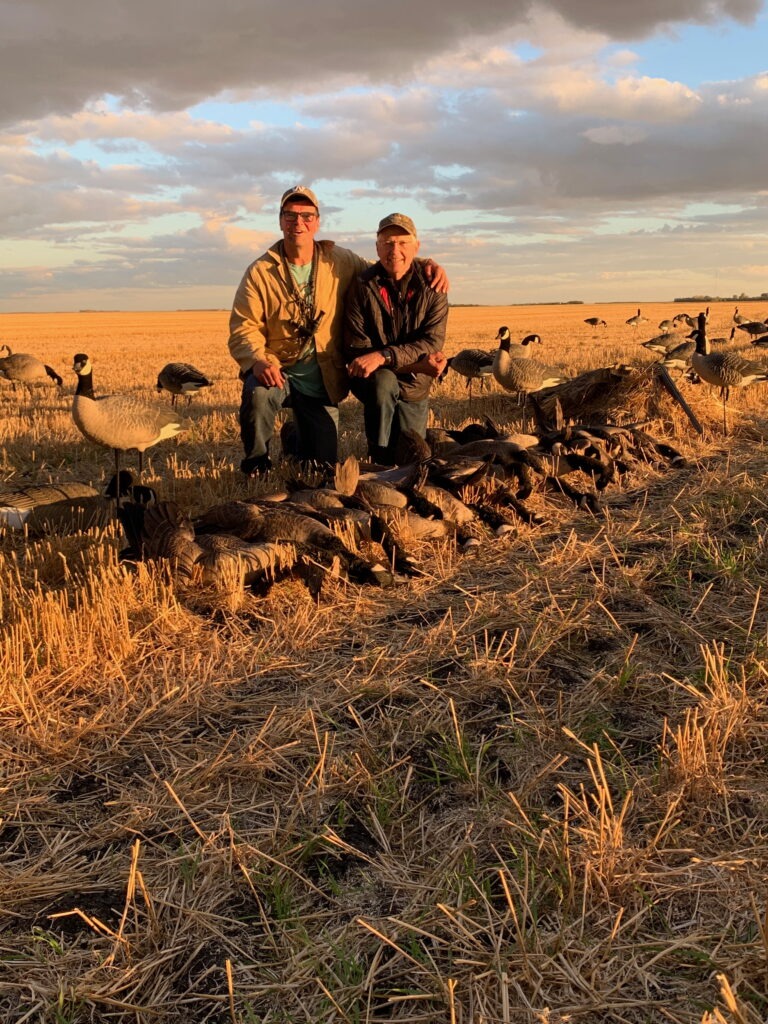
The prairie pothole region encompasses much of southwest Manitoba. Potholes are wetlands that come in every shape and size but geese and ducks like mallards and pintails use them as night roosts or daytime watering spots, from which they feed in harvested barley, wheat and corn fields. Dabbling ducks like Teal, Gadwall and Wigeon live in the potholes and feed on aquatic vegetation so you’ll run into these ducks as well. Some great diving duck hunting can occur on the larger wetlands.
If water hunting isn’t for you, field set-ups with decoys works really well and the region is also full of field-feeding geese and it’s not uncommon to find good numbers or sandhill cranes.
The pothole areas in the southwest are patchy with probably the highest concentrations of duck hunting sloughs existing in a huge area that runs essentially from Neepawa all the way west to Russell, north past Roblin and stretches south and north of Highway 16 quite far. Several other great patches of wetlands exist in other parts of the southwest. Just look at satellite imagery of that region and the patches of wetlands pop right out. All of the pothole areas you see on a map will hold huntable numbers of ducks.
Scouting for pothole duck hunting is the key so you need to get out there and drive with your binoculars and a full thermos of coffee. Our crew call this “bumbling” and this wandering with a purpose is the best part of it for me. The land is nearly all private farmland, but the people living in this region are some of the friendliest folks you’ll ever meet and more often than not they’ll let you hunt. If you don’t have a landowner map, just knock on the nearest farm door. If they don’t own it, they will know who does. Of course, you need to leave it at least as good as you found it, and be sure to thank them in a thoughtful way so you can hunt again.
Honorable Mention Duck Destination: Whiteshell rice lake diving ducks
A number of lakes in the Whiteshell have wild rice and diving duck species like Bluebills and Ring-necked ducks, as well as dabblers such as teal and mallards. Lakes on the Whiteshell River system are good places to look but really any lake with wild rice will likely have birds at some point during the Fall.
Big City Honkers – Near-urban Winnipeg Canada Geese
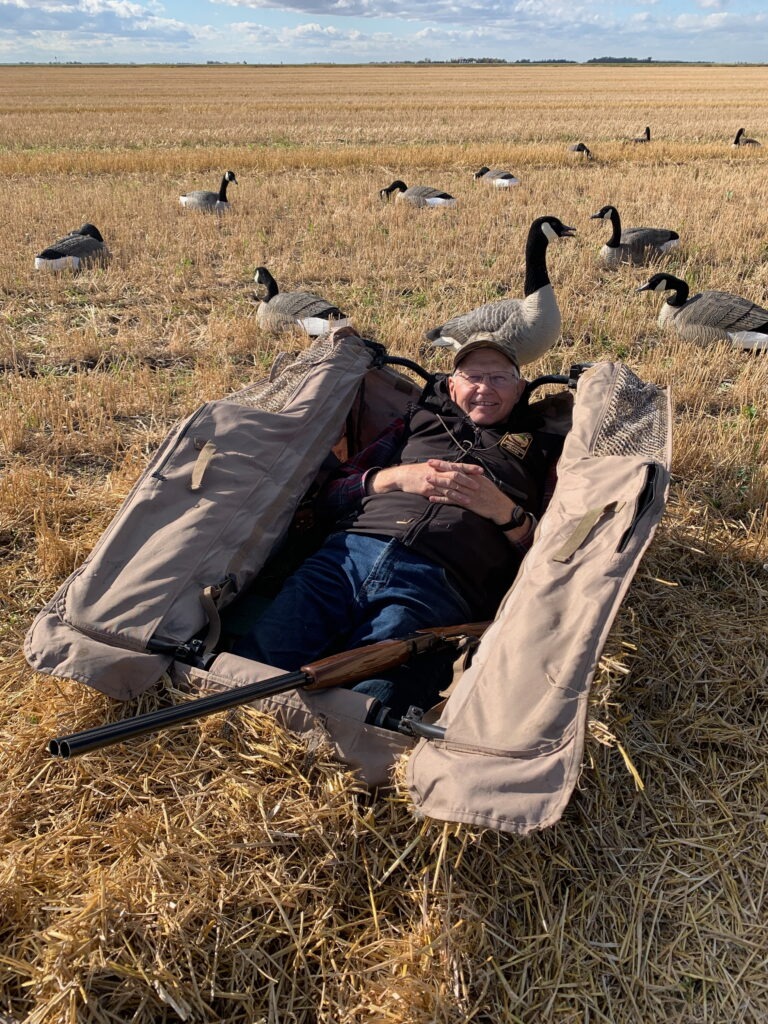
If you live in or around Winnipeg, the good old days of Canada goose hunting are here. The lakes, ponds and parks of Winnipeg and the surrounding suburbs hold tens of thousands of staging geese every Fall. They roost in the city but head out to the grain and corn fields on all sides of the city.
The goose hunting is world class, and it is incredibly accessible and convenient. For many hunters, life is too busy to get out as much as they’d like. Near-urban goose hunting is great because you can scout and hunt before or after work. It’s also a great hunt to get out new hunters or youngsters who are too busy with sports and school to do bigger hunts farther away.
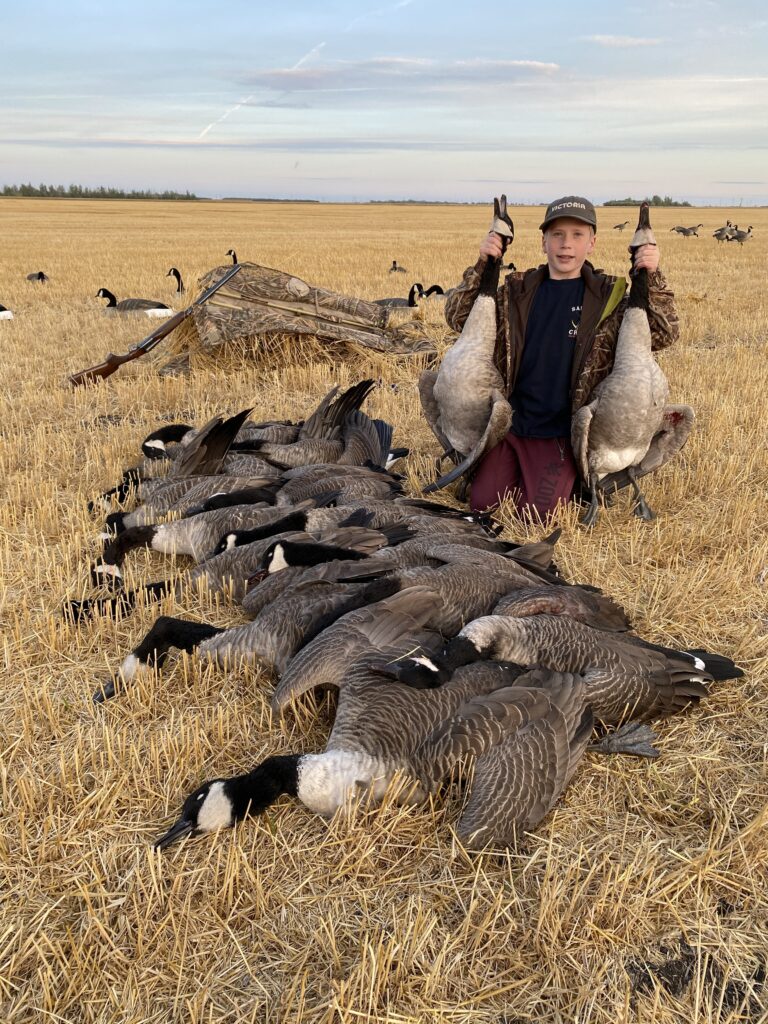
Normal field hunting strategies apply, you follow the birds from their roosts in the morning or afternoon when they go out to feed and they will lead you to a field. Use your landowner maps or talk to the nearest farm to work out permission. The added wrinkle is that special rules can and do apply to Municipalities around Winnipeg, so you’ll need to contact your local Rural Municipality office and familiarize yourself with their regulations. Some don’t allow hunting (e.g., East and West St.Paul) and some have special regulations (e.g., Headingley).
If you do hunt near the city, please don’t contribute to creating more restrictions. These near-urban areas have high densities of residences, many of whom moved out from the city recently and don’t understand our hunting culture, or the need to manage goose populations. So if there’s lotsa homes nearby, consider hunting in the afternoon on a weekday, instead of waking people up with shooting really early on a Sunday morning! Also, please don’t clean your birds and leave the remains in a ditch where everyone can see. Discretion is the better part of valour in near-urban goose hunting. Try to avoid conflict, it just isn’t worth it.
Honorable Mention Goose Destination – the Interlake
Given the incredibly high goose populations of recent times, goose hunting is good in too many places in Manitoba to mention. The Interlake region, stretching from Oak Hammock to Lundar and beyond is the most famous and is still incredible today. The storied All Canada Goose Shoot event in Lundar is still going strong and is an unsurpassed community celebration of goose hunting that all serious goose hunters should do once.
