

MANITOBA
The new angling season is about to begin in certain parts of the province. It is always great to check the regulations before heading out since they have changed over the years. For those close to Winnipeg a friendly reminder that the upcoming angling walleye/sauger opening date for Lake Winnipeg is May 16th and not this weekend.
You can find the 2026 Manitoba Anglers Guide online here https://www.gov.mb.ca/nrnd/fish-wildlife/pubs/fish_wildlife/fish/angling-guide.pdf
Friend Rick Gergatz, who runs the Lake Winnipeg Report on Facebook says while the Red up to the mouth and the Winnipeg River up to the mouth of Traverse Bay will be open for Walleye/Sauger this weekend (May 9th) the big lake itself will remain closed until May 16th. The big lake is open for other species but Lake Winnipeg is still ice covered and expected to remain so this weekend although it has started some movement. So that means that the Winnipeg River/Pine Falls and the Red River could see some boat action this weekend.Boaters are reminded that rivers and lakes can have debris floating on top of the water and hitting some at speed can be hazardous. Due to a normal runoff, river currents can be quite strong this time of year especially by the Lockport dam and the Winnipeg River dam at Pine Falls.
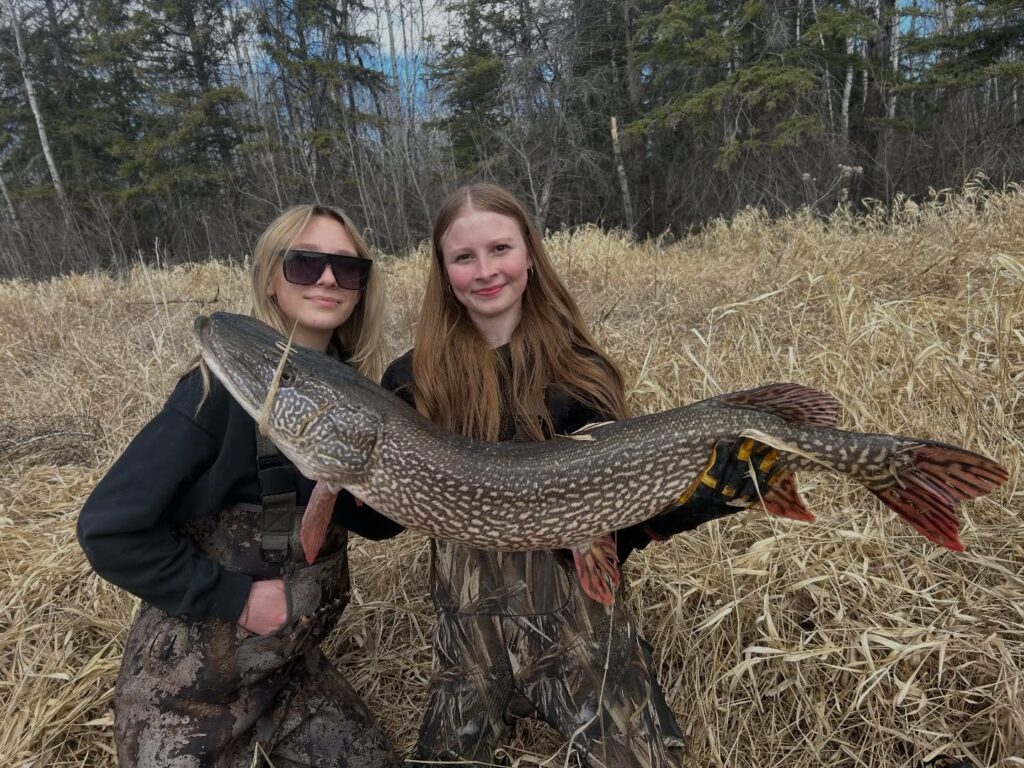
Hooked Contributor Madi Karatchuk was out with a friend near her hometown of Gimli for a little ditch fishing and it paid off big time. Madi says now with slower flows in the creeks things are slowing down.
The Whitemud River will see a lot of action this weekend for both walleye and drum. I love to spend time out there catching freshwater drum and early season can be hot.
NORTHWESTERN ONTARIO
While walleye season is closed until the third week of May, there is plenty of other species to be caught including some massive pike. While they can be a bit finicky after the spawn, if you keep changing tactics some nice fish can be caught. Look for warmer surface water where you can find it like incoming feeder creeks and protected bays from the wind.
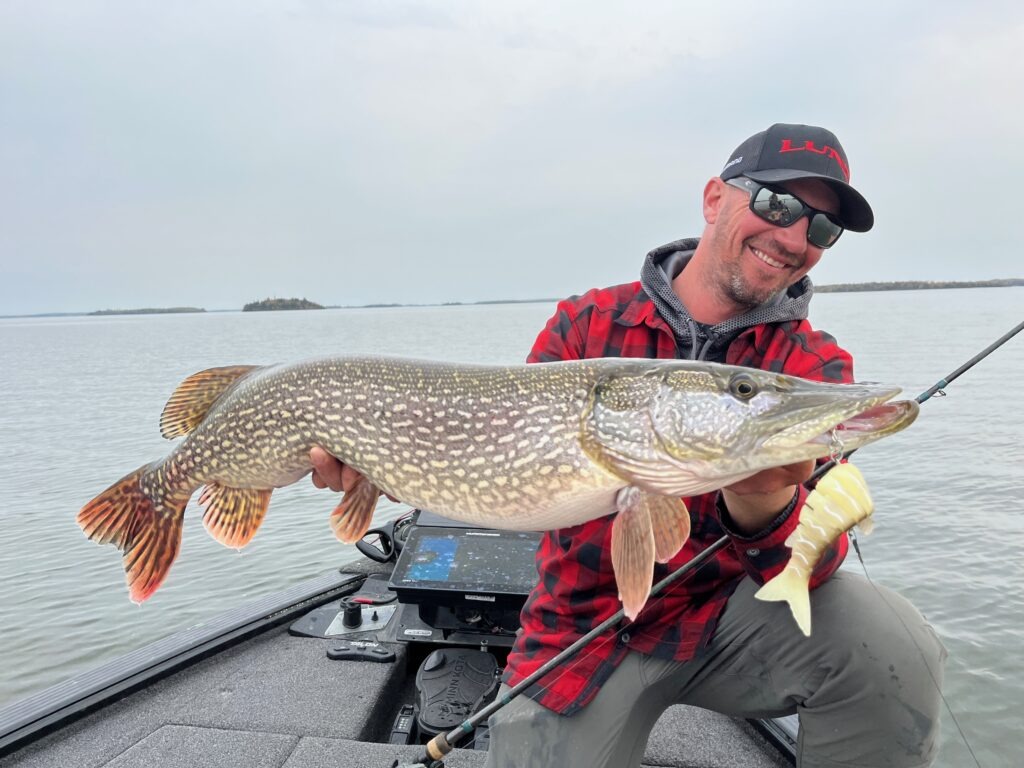
I find the best pike starts when that surface water temperature gets above 50 Fahrenheit around the start of June on Lake of the Woods. It could be a bit earlier on smaller lakes and a bit later on the bigger river systems.
Meantime Hooked Contributor Jamie Bruce hops on his E Bike to find some open water action in the back country near Kenora. He figures most of the ice in his part of the world will be gone by the middle of next week with some warmer weather on the way!
SASKATCHEWAN

The season opened May 5th in the southern part of the province and the warmer temperatures have melted the ice on most of the lakes in the region. There are many great lakes and reservoirs in this region that have world class fishing for walleye, perch and pike. One of my all time favourites is Last Mountain Lake. I have fished almost the whole length of this natural lake just north of Regina but in the spring time you want to head to the north and south ends of the lake where the warmer water is. This natural lake stretches more than 70 miles and is also known as Long Lake for this reason. It is the largest naturally occurring body of water in southern Saskatchewan, although Lake Diefenbaker (created by damming) is larger. The lake was named for a Plains Cree legend about the Great Spirit shoveling dirt from the valley the lake now occupies and forming Last Mountain Hills east of Duval. When heading north from Regina you go past Craven on Highway 20 past Bulyea, Strasburg and finally Govan.

Between these two communities is the highest point of land in the area for which the lake got its name. Many anglers like to stay at Last Mountain Regional Park. It is a very functional park located on the shores of the north end. It has an outdoor swimming pool and plenty of spots to camp. It also has a good boat launch right next to most of the best fishing is the first three weeks of the season. Last time I was there presentation was simple, just a spinner rig tipped with night crawlers and weighted with split shot. The deepest we caught fish was six feet so a couple of shots was all that was needed.
ALBERTA
Wes David, Fishing the Wild West TV
Nymphs and red wireworms on the Bow River
This past week I met my good friend Scott, the owner of Bow River Fly Fishing Company, at McKinnon Flats east of Calgary. Scott had two days off before his next guided fishing trip on May 4th, so he invited me along to float and fly fish the Bow a few days before his next guided fishing trip. It is a bit early for any runoff from the winter snow in the mountains, so we knew the trout would be holding in deeper pockets of inside and outside corners, in deep current seams and deep current breaks.
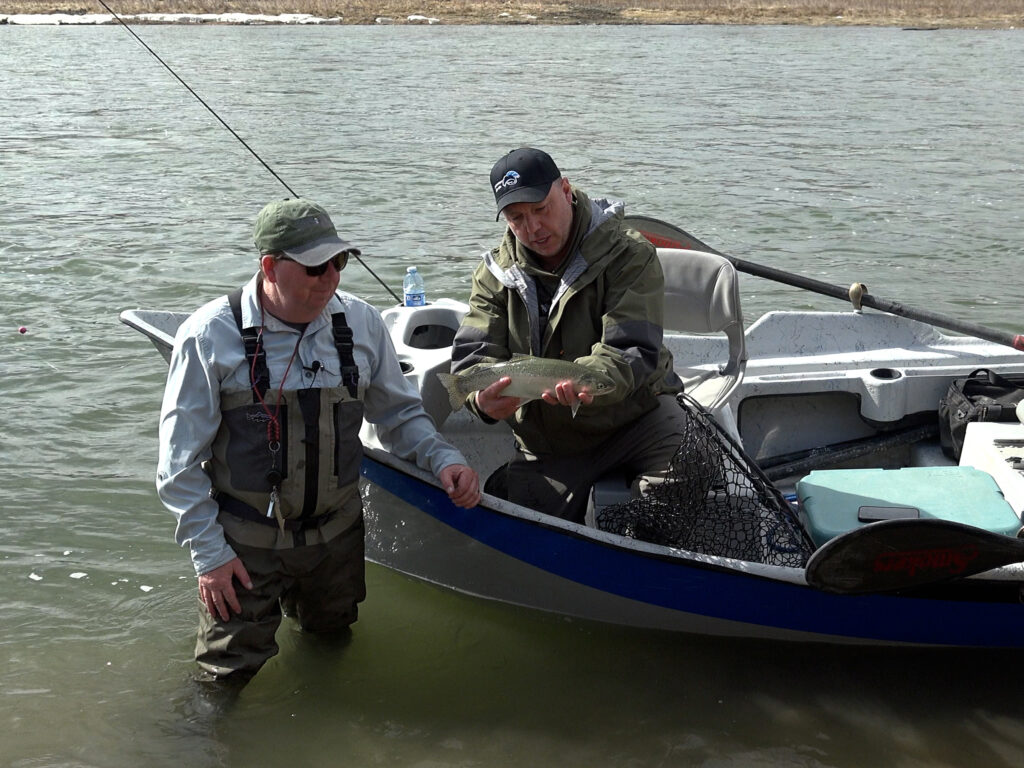
We fished using a 5-weight fly rod with sinking line, a strike indicator, leech pattern nymphs and red wireworm hooks with the barbs pinched. A short cast of 40 feet or less was all that was needed. The trick was correcting the line after making a cast so the current wouldn’t create a drag on the strike indicator. Keeping your indicator and your presentation moving at the same speed as the current was key. Any current drag on either bait or indicator meant an unnatural presentation and no hook-ups. Both rainbow and brown trout would position in and around the deeper pockets of inside and outside corners, current seams, and current breaks. The bulk of bites came in the calmest water and even the still water in all these areas.

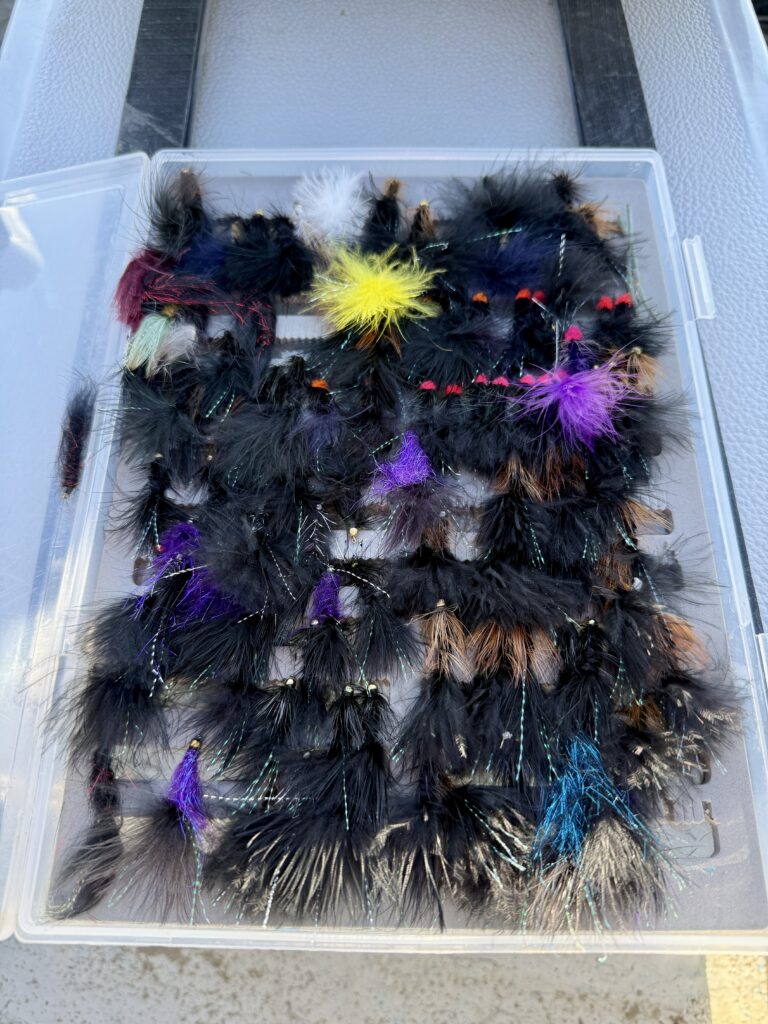
We floated the Bow River for eight hours, covering 16 kilometres of water, catching and releasing rainbow and brown trout the entire way. Scott mentioned that until the first spring insect hatch, nymphing with a strike indicator would most likely be the most effective presentation. However, conditions on the Bow River and the trout’s feeding habitats can change daily, and anglers need to be ready for anything.
If you have never fly fished the Bow River and it is on your bucket list, regardless of your experience level, I would highly recommend Scott and www.bowriverflyfishing.ca/contact-us
