 TIME TO GET YOUR OPEN GEAR ORGANIZED
As anglers, it’s easy to focus on the excitement of open water fishing while neglecting the critical preparation required during the off-season. Whether you’re targeting your personal best or competing at a high level, success on the water often begins months before your first cast of the season. Let’s break down a few key areas to focus on during the off-season to set yourself up for open water success.
Organize Your Tackle
This one is a no brainer, but it’s so important. Every angler has that pile of tackle they carry around, “just in case.” The off-season is the perfect time to go through your gear with a critical eye. Ask yourself: Have I used this in the past year? If the answer is no, it might be time to minimize.
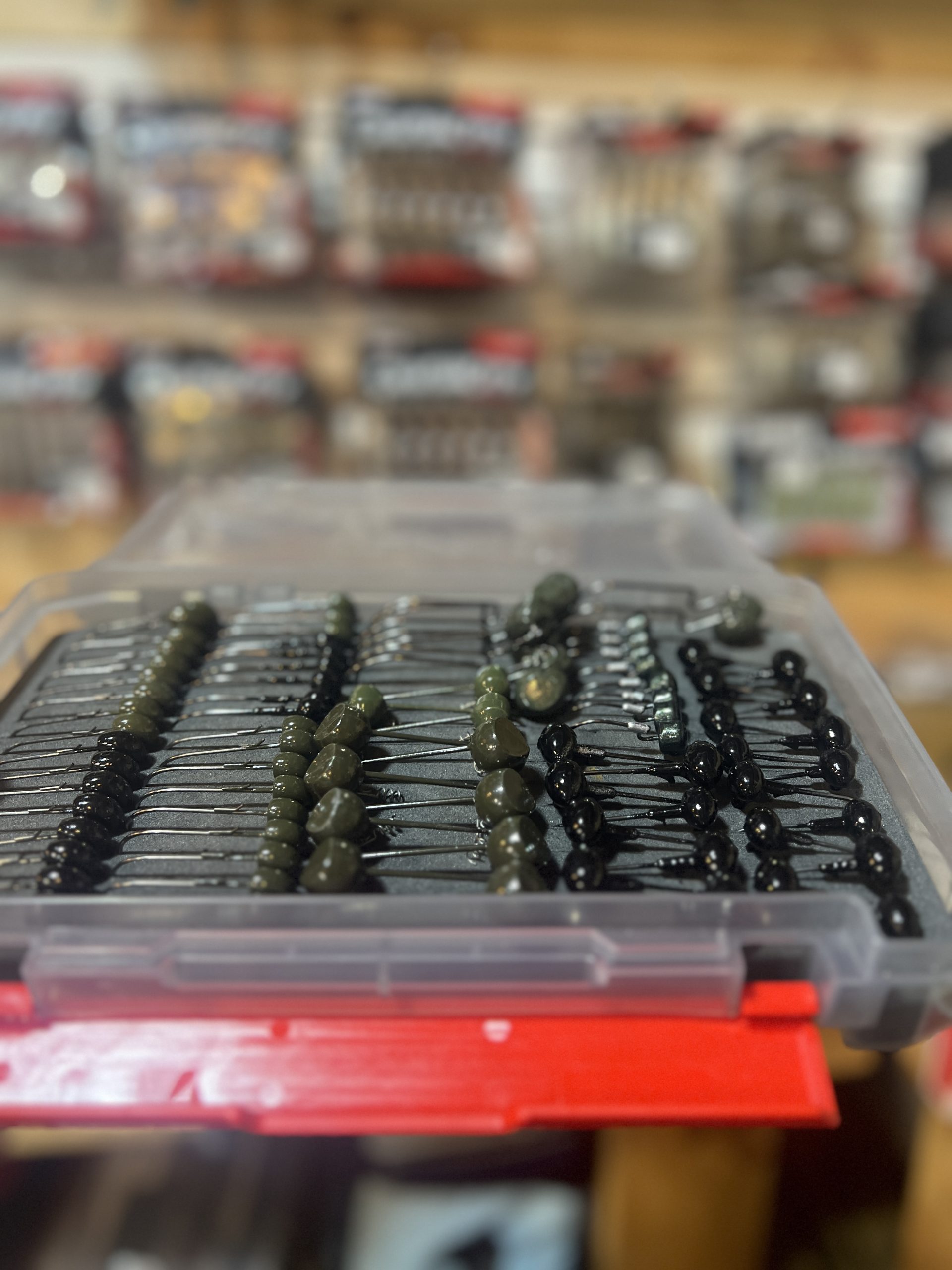
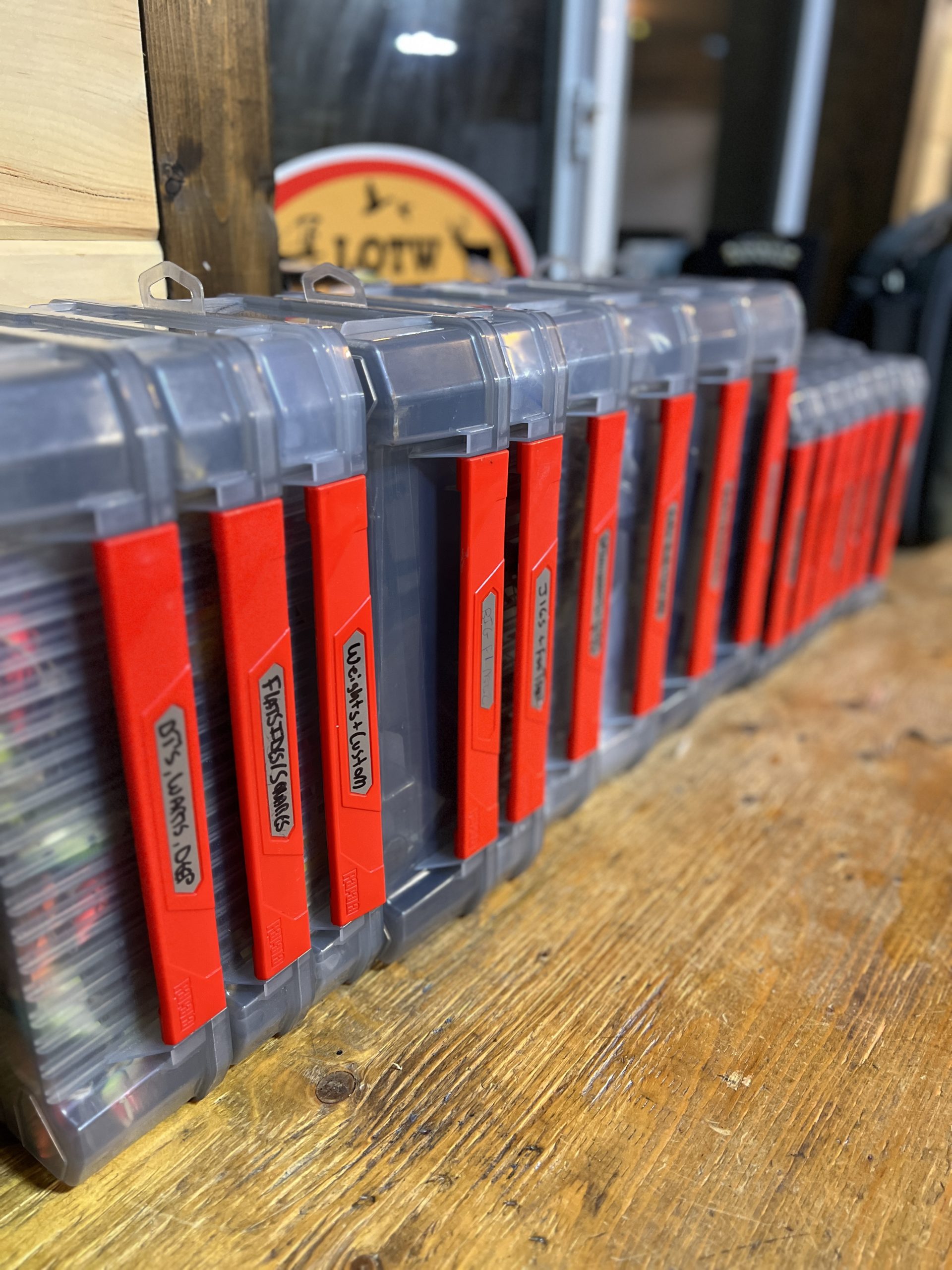
Focus on streamlining your gear. Baits and terminal tackle you use on the regular should be re-stocked, organized, and ready to go. Separate your go-to lures from the ones collecting rust. Organize your boxes by technique, species, or water conditions. Doing this not only reduces clutter but also improves efficiency when you’re on the water. When every second counts, knowing exactly where your best tools are can make all the difference. One of the best tools in this department over the past few years has been the Rapstack Open Foam Tray that allows you to cleanly organize terminal tackle and jig heads instead of watching them bang around in a box all year. It’s easy to pick out what you need quickly, and the way the box holds your jigs prevents them from bashing together and facing rust from pooling water in a traditional box.
Consider re-spooling reels, sharpening hooks, and replacing worn-out terminal tackle. Tackle maintenance is often overlooked but critical for maximizing performance when it matters most.
Stay in Physical Condition
Fishing might not seem physically demanding at first glance, but 12+ hour days on the water require stamina, strength, and mobility. A couple of years ago I fished around 15 tournaments in a season and near the end of the season wondered how many years I could keep it up for. The strain of standing and casting dark to dark, bashing you’re back in waves, and staring down at a screen half the time can become unbearable.
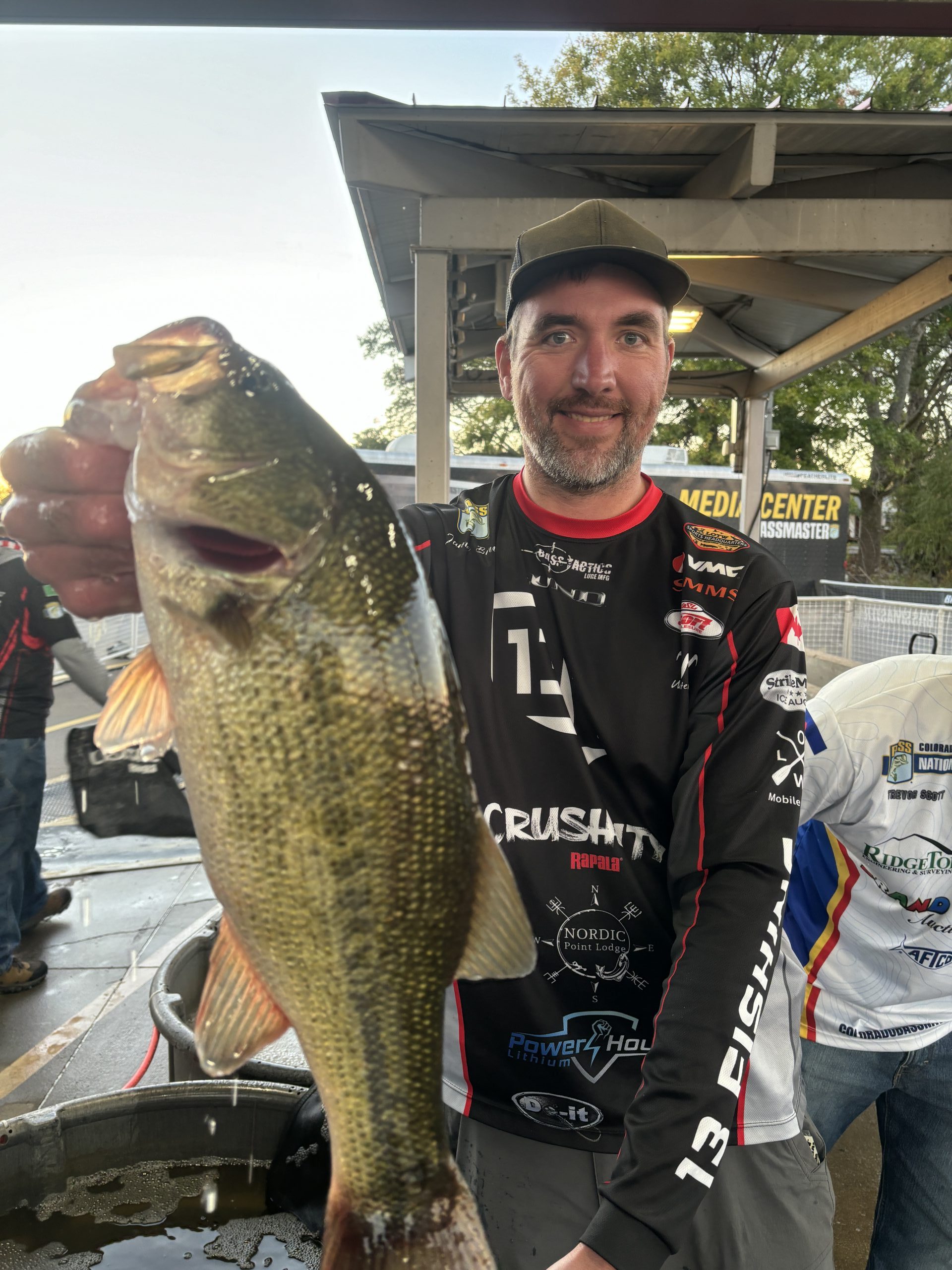
The winter after, I used to off season to focus on physical condition and drastically improved mobility and core strength allowing me to fish longer and harder than in years past without a physical burnout. I started small, just using a mobility video on YouTube called “12 Minutes of Foundation Training with Dr. Eric Goodman” as recommended by a buddy. I was made fun of a lot by my room mates for stretching every morning before I’d launch my boat, but that goes away really quick when they see you’re the last one on the water every day.
Ice Fishing: Keep the Skills Sharp
If you’re lucky enough to live in a region where ice fishing is possible, don’t let the cold months go to waste. Ice fishing is more than a winter pastime; it’s an opportunity to hone your skills. Watching fish reactions on sonar and experimenting with different presentations provides valuable insights into fish behaviour that translate to open water.
The instant feedback you get through a hole in the ice—from subtle jigging changes to lure selection—sharpens your instincts and keeps you dialed into the nuances of fishing.
While most competitors down south have been pre-practicing or spending their winter on the water, every Bassmaster tournament I’ve been to in the winter has been cold turkey. Without ice fishing, I would have to re-train my eyes to my electronics and re-learn knowledge of fish interaction from the previous year and surely would take longer to get back in the zone.
Research Your Lakes
Success in open water often hinges on preparation, and the off-season is prime time for research. Dive into lake maps, satellite imagery, and YouTube videos. Identify possible locations, new techniques, study seasonal patterns, and plan your game strategy.
These days, with how popular podcasts have become, you can absorb a lot of information in the fishing world in the background while you’re driving, exercising, or working on other projects.
One winter, I was going to college in Winnipeg, MB. Every night I watched old “FLW Tour” videos on the World Fishing Network and by the first cast of the spring, I was literally a better angler. It sounds ridiculous, but by consuming an obscene amount of tournament fishing I had a different mindset and even felt like I absorbed some technical ability when it came to casting and fighting fish. I also probably started to sound like I was from the heart of Bass fishing in the deep south, if we’re being honest.

Final Thoughts
Off-season preparation isn’t glamorous, but it’s the foundation for a successful season on the water. By organizing your tackle, staying in shape, sharpening your skills through ice fishing, and researching lakes, you’re setting yourself up for success long before the first cast.
Put in the work now, and when the open water season arrives, you’ll be ready to hit the water with confidence.
