
The Canadian Economy Thrives with Hunting and Fishing Guides and Lodges
During the last five years, hunting and fishing lodges have been on a roller-coaster ride of extreme highs and lows filled with unknowns for their future. First, it was COVID-19 that shut the lodges, guides, and outfitters down and literally shut the world down. Once the doors reopened to the world, guides and lodges returned to doing what they do best, only to face another threatening challenge. During the last three years across Canada, many northern hunting and fishing lodges have dealt with extreme forest fires. In many areas in northern Canada, forest fires once again postponed hunting and fishing trips, and tragically, some hunting and fishing lodges were lost to devastating forest fires. Now, the uncertainty within the political world has taken a toll on guides, lodges, and outfitters. I’m not saying that the last five years haven’t affected everyone and every industry in one way or another, but this is Hooked Magazine, and for the sake of this article, I will focus on the hunting and fishing industry.
I believe the hunting and fishing guides and lodges, and their importance and contribution to the economy, are often overlooked by those outside the hunting and fishing world, including many departments within provincial and federal governments. I’m convinced that those outside the hunting and fishing communities, and maybe even a few people within the hunting and fishing communities, don’t realize how much the hunting and fishing guides and lodges bring into their provincial economy. Regardless, if you book with a local fishing guide or book a trip of a lifetime to a fly-in fishing lodge, it is not just the guide or the lodge that benefits when his/her clients book their fishing trip. Below is a quick and basic look at the benefits to a province when anglers book a fishing trip.
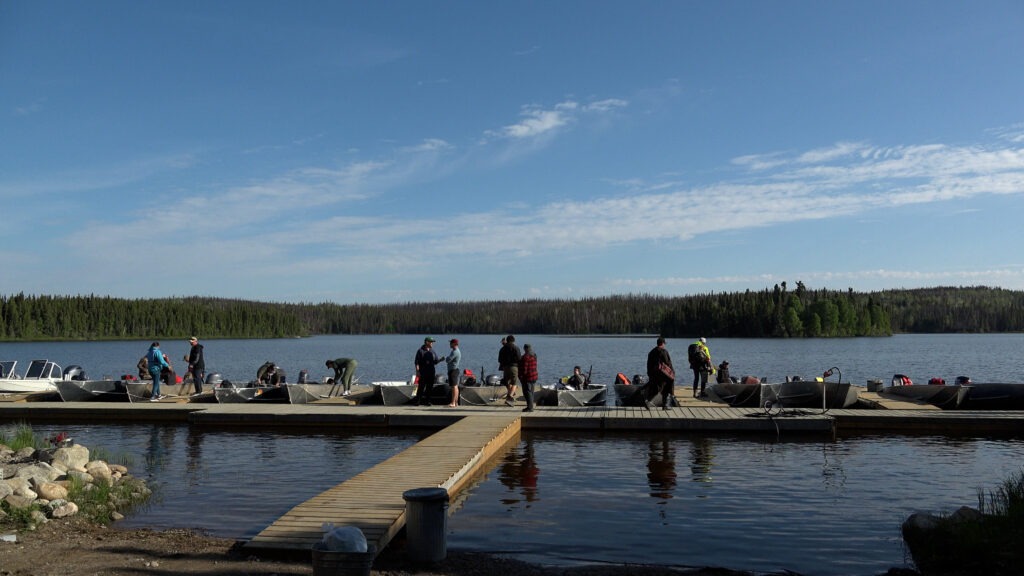
Clients will have to travel, spending money at gas stations, hotels, restaurants, grocery stores, tackle stores, souvenir shops, etc. Not to mention, purchasing a fishing license. Regardless of whether it is a resident or non-resident purchasing a fishing license, a percentage of the money from the sale of the license goes to provincial conservation programs and is used to support the province’s fisheries programs and a variety of provincial conservation projects.
EYE IN THE SKY
This next piece of information is so often overlooked but has been of the utmost importance in the last few years. If guests are flying into a remote fishing lodge on a floatplane, they are also spending money on everything mentioned above. However, the cost of the floatplane flight also helps keep the small northern aviation companies afloat.
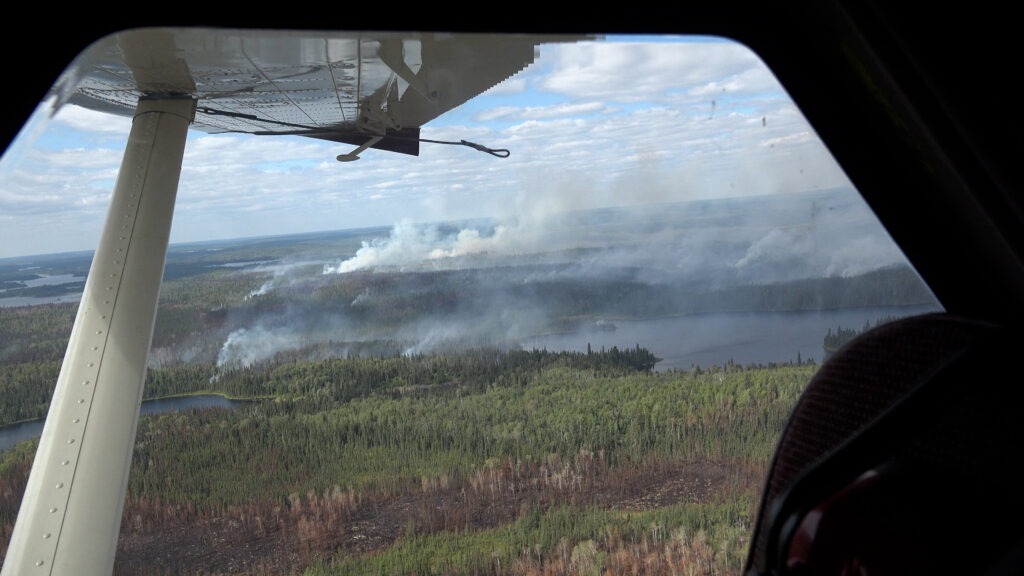
However, it is also important to note. Each time a float plane flies to/from a remote fishing lodge, the pilot is instructed to watch for and report any smoke/fires along their flight path. The immediate information may prevent a fire from growing out of control. A northern community or a fishing lodge with guests could also be in the direct path of the fire. The information provided by the northern pilots may save lives.
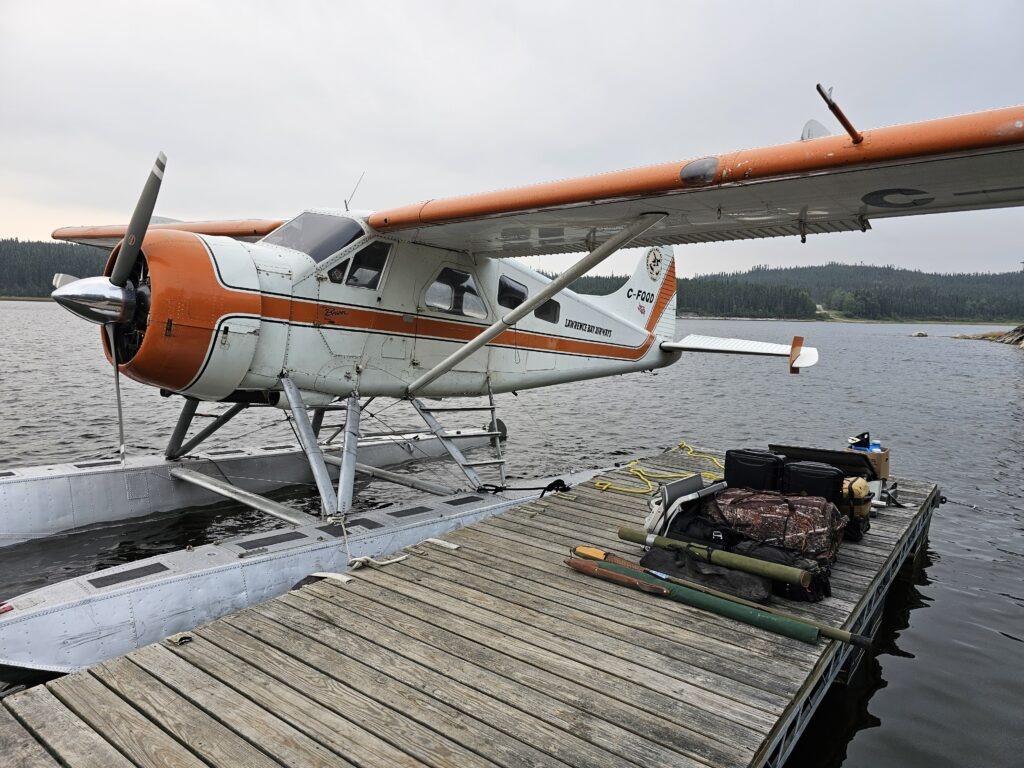
During a float plane flight in 2023 to northern Saskatchewan, after we were dropped off at the fishing lodge, on the way back to Basecamp, our pilot purposely flew eight miles out of the way to monitor the growth (if any) and direction of a known forest fire. This information was reported back to Basecamp and the firefighters in the area so accurate decisions could be made about the fire. Thus, the fishing lodge, guests, and aviation company are all helping to protect our forests directly or indirectly.
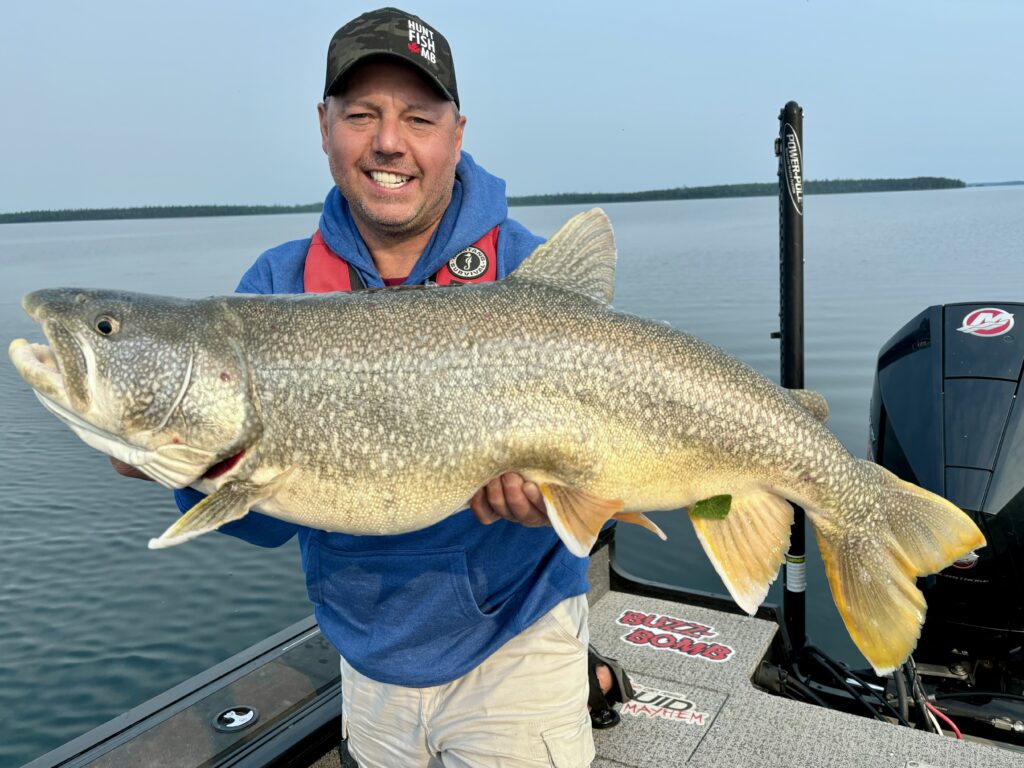
ECONOMIC IMPACT TO PROVINCIAL ECONOMIES
What about the money brought into the provincial economy from hunting and fishing guides and lodges? In 2019, the last time things were considered normal, the hunting, fishing, and outfitting industry contributed nearly 2.9 billion dollars to the Canadian Gross Domestic Product (GDP) and supported over 37,000 jobs nationwide. However, if you add the money spent by hunters and anglers travelling to/from their hunting and fishing destinations, the number is closer to 3.8 billion. However, the benefits to the Canadian economy don’t end there. The dollars generated from guides, lodges, outfitters, and their guests increase the production of the goods and services in each province, support jobs, and create wages and tax revenues in the local community, provincially, and across Canada.
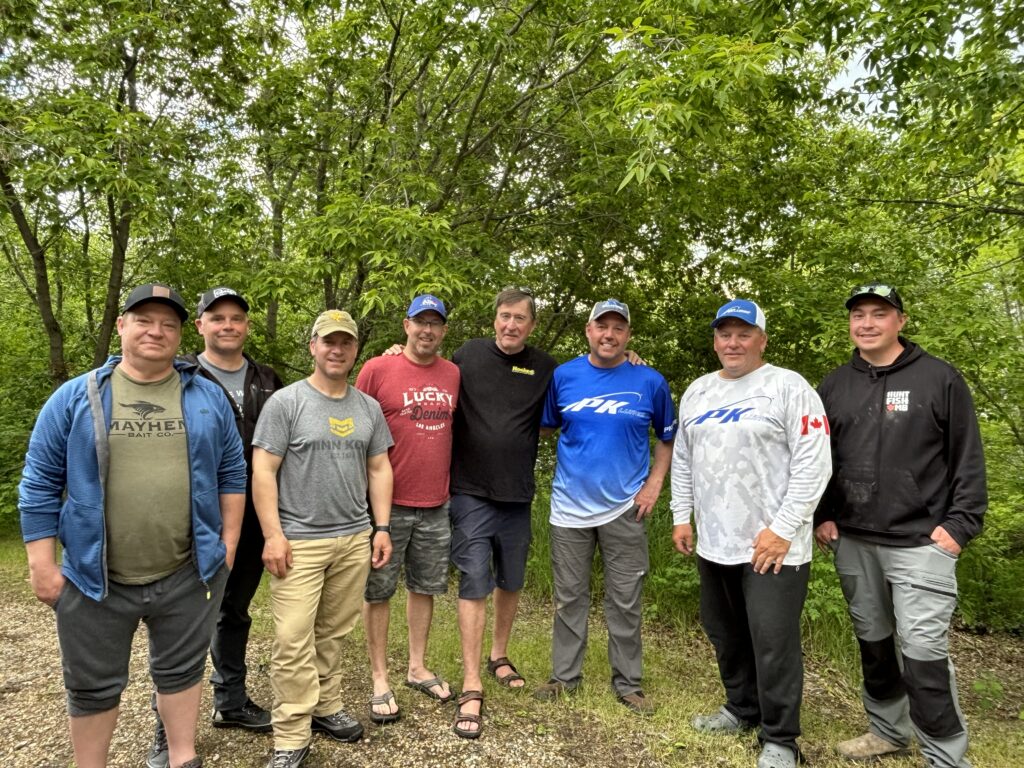
For example, on my last trip to Manitoba from Alberta, I fished walleye on Lake of the Prairies, then travelled to Selkirk, MB, to fish channel catfish on the Red River with Cat Daddy Fishing Guide Services. Round trip, I filled my truck with gas five times at four different gas stations in three different provinces and filled my boat with gas once. I booked a cabin for three nights on Lake of the Prairies at Kilman Resort. I purchased a Manitoba fishing licence. I purchased all my groceries for my stay at a grocery store in Saskatchewan and had three days of amazing walleye fishing. From there, I drove to Selkirk, MB, and booked two nights at the Canalta Hotel.
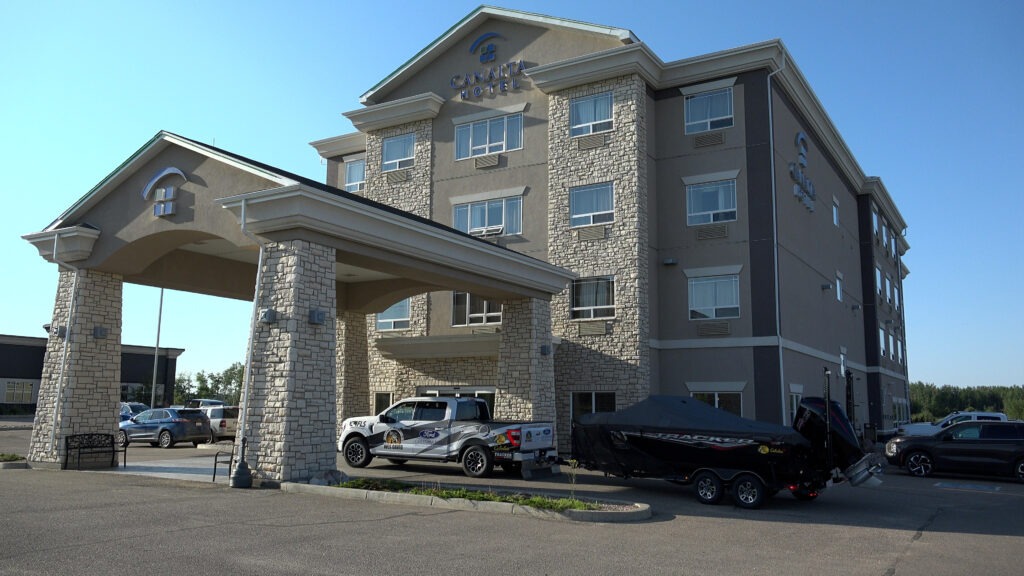
Fortunately, the Canalta Hotel has an incredible hot continental breakfast for its guests, however, I ate dinner at three different restaurants. Aside from enjoying a great dinner after a long day on the water, I also tipped my waitress after each meal. Not to mention the money I spent on bagged lunches, snacks, and souvenirs. During one road trip for two different fishing trips, I left money in three different provinces, contributing to the economy and jobs in one way or another in each province.
At the time of this writing, a good friend of mine from Saskatchewan booked a father and son trip to fish the Fraser River for white sturgeon with BC Sportfishing Group. Aside from booking a guide for three days of amazing fishing and memories, they drove from Regina, Saskatchewan, to Harrison Hot Springs, BC, spending money on gas, food, and hotels the entire way. The father and son duo contributed to three different provincial economies during one fishing trip.
However, what is so often overlooked or not even thought about? Even if you are not booking a trip with a guide or flying into a remote fishing lodge and just spending a day fishing on your favourite water body in your home province, the same is true.
THE MANY COMPONENTS TO THE FISHING INDUSTRY
You may have purchased some new fishing gear and some bait. You purchased a fishing license, packed a lunch or bought something for lunch when you stopped and filled your truck and boat with gas, and maybe you even paid a provincial or federal park fee. One angler fishing on his/her local lake contributes to the economy and supports multiple jobs at all the businesses he/she use to get to the lake for one day of fishing.
Tourism of any kind is extremely important to each province and brings in billions of dollars across Canada. However, I believe the contributions from hunting and fishing are often overlooked. I will say this. Tourism Saskatchewan (Fish and Hunt Saskatchewan) and Travel Manitoba (Hunt Fish Manitoba) have recognized the importance of hunting and fishing in their province and are doing a great job supporting hunting and fishing and hunters and anglers in their provinces.
The next time you see a truck pulling a boat or a hunter or angler at the airport on their way to a hunting or fishing trip of a lifetime to one of Canada’s remote lodges, thank them for their contribution to the economy.
